Commandez dès maintenant et bénéficez de 05% de réduction sur votre première commande !
Faites vos courses

Crème anti-taches ANYI BEAUTY 5 secondes – Anyi Beauty
Le prix initial était : 12,000CFA.9,000CFALe prix actuel est : 9,000CFA.
b.Pure Lotion corporelle à l’acide hyaluronique pur
Le prix initial était : 5,000CFA.4,800CFALe prix actuel est : 4,800CFA.
Global Beauty Care Glowing Vitamin C Facial Cleanser
Le prix initial était : 5,000CFA.4,800CFALe prix actuel est : 4,800CFA.
BIOAQUA Essence anti-acné à l’acide salicylique
Le prix initial était : 9,500CFA.9,000CFALe prix actuel est : 9,000CFA.
Advanced Clinicals, Crème éclaircissante, Taches brunes, 59 ml
Le prix initial était : 16,500CFA.15,000CFALe prix actuel est : 15,000CFA.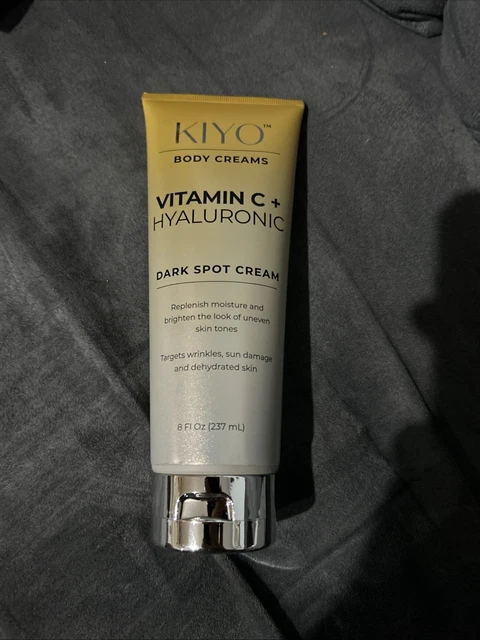
Kiyo – Crèmes pour le corps – Vitamine C + Acide hyaluronique – Crème anti-taches brunes 237 ml (8 oz)
Le prix initial était : 12,000CFA.10,200CFALe prix actuel est : 10,200CFA.





Conservation & Nature
Spain preserves protected landscapes that integrate high biodiversity with reachable trails, visitor centers and supervised activities. From the wetlands of the Ebro delta to the volcanic calderas of the Canary Islands, each region preserves distinct ecosystems under national and regional conservation plans. Travelers planning visits profit from knowing the legal framework, seasonal restrictions and logistical logistics that maintain these areas intact. This guide describes how Spain’s protected-area system operates, what visitors can find on site and how individual choices further long-term conservation goals.
Sistema de Áreas Protegidas de España
Spain’s protected-area network includes roughly 27 percent of the national territory and is divided into national parks, natural parks, nature reserves and marine protected areas. Each designation carries different management rules determined by the central government or autonomous communities. National parks, for instance, prohibit motorized access and new construction, while natural parks enable limited traditional farming and regulated tourism infrastructure. The network also aligns with the European Natura 2000 sites, which provide extra layers of protection for priority habitats and species listed in the Habitats and Birds Directives. Visitors can review the official map layers published by the Ministerio para la Transición Ecológica to determine the exact boundaries and permitted activities before travel.
Impacto del cambio climático y acciones de adaptación
Increasing temperatures and altered rainfall patterns already affect Spain’s protected landscapes. Glacial remnants in the Pyrenees have lost more than half their surface area since the 1980s, causing glaciologists to install time-lapse cameras that record retreat rates. Coastal parks face saltwater intrusion into freshwater marshes, leading experiments with controlled tidal gates that preserve salinity gradients suitable for endemic fish. Forest managers thin dense pine stands to reduce wildfire intensity, then replant mixed stands of native oak and juniper that withstand drier summers. Visitors can observe adaptation measures on interpretive trails that contrast thinned and untreated plots. Understanding these interventions helps travelers appreciate why certain trails or campsites may close temporarily for restoration work.
Exploración de la naturaleza
Spain’s parks shelter iconic species that capture the attention of photographers and naturalists. In the Picos de Europa, visitors may spot Cantabrian brown bears from designated viewpoints equipped with telescopes operated by park staff. In the Sierra de Grazalema, endemic fir forests shelter the Spanish imperial eagle, whose nesting sites are indicated on interpretive panels. Marine reserves along the Mediterranean coast safeguard meadows of Posidonia oceanica, a seagrass that stores carbon and nurtures juvenile fish. To reduce disturbance, parks advise muted clothing, staying at least 50 meters from large mammals and never providing food to wildlife. Guided tours conducted by certified naturalists provide binoculars and demonstrate identification calls, increasing sighting chances while restricting group size to reduce stress on animals.
Organización de la visita
Planificar con antelación minimiza both la huella ecológica and los peligros individuales. Excursionistas should comprobar los horarios, ya que ciertos parques limit vehicle entry durante fire-risk days declared by regional meteorological services. Las reservas de estacionamiento bien transbordadores son a menudo obligatorias los fines de semana; los portales en línea se abren 30 days ahead y se cierran when quotas are reached. Llevar ropa por capas ante temperature swings, portando al menos dos litros de agua per person and using faros de cabeza que tengan ajustes de luz roja protects nocturnal wildlife. Waste must be packed out y los plásticos desechables están prohibidos dentro de most park boundaries. Consultar el pronóstico del índice ultravioleta and applying bloqueador solar a base de minerales evita la escorrentía de químicos into streams that feed protected wetlands.
Manejo y financiamiento de los parques
Day-to-day management is shared between park authorities and local stakeholders. Rangers conduct patrols, observe species counts and maintain seasonal closures, while regional governments assign budgets for trail maintenance and visitor centers. Funding sources include state transfers, European Union rural-development grants and entrance fees collected at some parks. In Doñana, for example, the entry charge funds dune-restoration projects that secure shifting sands and protect nesting areas for the Iberian lynx. When budgets fall short, authorities turn to volunteer programs that plant native species or remove invasive plants. Travelers can review park websites for current fee schedules and volunteer schedules, because both vary annually according to conservation priorities.
Turismo responsable y economía local
El turismo sostenible supplies income a comunidades que están en las cercanías de espacios protegidos. Pequeños alojamientos certified under el European Ecolabel emplean calentadores solares de agua y serve produce de cultivos ecológicos dentro de zonas de amortiguamiento. El dinero de paseos guiados para buscar setas en el parque natural del Montseny sufraga la restoration de abandoned terraces que de otro modo erode durante heavy rains. Las autoridades locales organizan autobuses lanzadera que replace a los coches particulares en peak weekends, cutting tanto las emisiones contaminantes como la necesidad de estacionamiento. Los visitantes que compran miel de la zona, queso artesanal o lana de la región apoyan directamente a pastores cuyas formas de pastoreo maintain praderas abiertas frecuentadas por butterflies y orchids. Consultar los distintivos de colaboración con el parque en páginas de alojamientos helps travelers canalizar el dinero hacia empresas que aplican criterios explícitos de sostenibilidad.
Voluntariado y ciencia participativa
Many parks enlist volunteers for tasks that complement professional monitoring. In Cabrera Archipelago, teams extract ghost fishing gear from seabeds during week-long expeditions that include basic diving instruction. In the Ebro delta, bird-banders instruct participants how to record wing measurements and release data into international databases used for migration studies. Projects usually ask participants to cover travel and lodging, but training, meals and equipment are supplied. Registration opens months in advance on park websites and fills quickly; applicants should prepare a short statement explaining their interest in conservation fieldwork. Data collected by volunteers has contributed to peer-reviewed papers on population trends of species such as Audouin’s gull.
Facilidad de acceso y educación ambiental
Park authorities have increased accessible infrastructure to welcome visitors with reduced mobility. Boardwalks in the Tablas de Daimiel let wheelchair users to get to open-water observation blinds, and tactile models at visitor centers assist visually impaired guests comprehend geological formations. Interpretive panels now feature QR codes that connect to audio descriptions in several languages. School programs organized by park staff integrate short hikes with hands-on workshops on water-quality testing or insect identification. Families planning visits can access activity booklets in advance that list age-appropriate tasks such as spotting animal tracks or measuring tree circumference. These initiatives expand the constituency that backs conservation funding and policy.
Actividades autorizadas y prohibiciones estacionales
Each park publishes a list of allowed activities that combines recreation with habitat protection. Hiking on marked trails is nearly always allowed, yet off-trail walking is forbidden in sensitive zones such as bird-breeding cliffs or amphibian breeding ponds. Cycling is limited to designated paths, and motorized vehicles require special permits issued only for research or emergency access. Seasonal closures safeguard breeding or migration periods; the Ordesa y Monte Perdido park closes certain high-altitude routes from November to May because of avalanche risk and chamois calving. Campfires are prohibited everywhere, and drone flights need prior authorization. Checking the latest park decree posted online forestalls fines that can exceed several hundred euros.
FAQ
¿Qué tipo de documentos requiero para acceder en un parque nacional español?
Many parks enable free pedestrian access, yet a few impose modest entrance fees. Visitors should carry identification because rangers might request it during patrols. No special permit is required for day hiking on marked trails, but overnight stays require reservations through the official park booking system. If traveling with drones or professional photography equipment, prior authorization must be requested at least two weeks in advance through the park’s email contact listed on its website.
¿Cuál es la mejor época para observar aves migratorias?
Spring migration culminates between March and May, while autumn passage takes place from August to October. Coastal wetlands such as the Ebro delta and Odiel marshes gather large flocks during these windows. Early morning and late afternoon offer the highest activity levels. Visitors must consult the park’s bird-alert bulletins, which publish daily counts and highlight any temporary trail closures near active nests.
¿Puedo acampar libremente dentro de los parques?
Wild camping is forbidden in most Spanish protected areas. Designated campsites exist near park entrances, and some parks maintain basic shelters that require advance booking. Bivouac camping above the tree line is occasionally tolerated for mountaineers if the tent is pitched at dusk and removed at dawn, yet confirmation with park staff is mandatory to avoid fines.
¿Qué especies están más vulnerables y dónde verlas?
The Iberian lynx remains in Doñana and several reintroduction sites in Castilla-La Mancha https://agentsrurals.info/. The brown bear population of the Cantabrian mountains remains small but stable. Both species require strict distance rules; observation is best from official hides or during guided tours that limit group size. Observations are never guaranteed, and waiting plus silence increase the probability.
¿Cómo contribuyen las tasas de entrada a la conservación?
Park entry fees fund path repairs, invasive-species removal and environmental education initiatives. In parks such as Timanfaya, revenue also supports ongoing volcanic monitoring gear. Visitors receive an breakdown receipt that indicates the percentage allocated to each budget line, promoting transparency and accountability.
¿Existen limitaciones para grupos grandes?
Parties larger than 20 people must notify the park office a minimum of 15 days in advance. A number of parks cap group size at 30 to minimize trail erosion and wildlife disturbance. Academic organizations receive discounted rates when joined by certified environmental educators who stick to a pre-approved itinerary.
¿Cuál es el procedimiento si encuentro un animal herido?
Refrain from attempting to handle or feed the animal. Note the exact location using GPS coordinates and contact the park emergency number displayed at every trailhead. Park staff or affiliated wildlife centers will coordinate rescue. Not disturbing the site prevents additional stress and lets specialists to assess the situation safely.